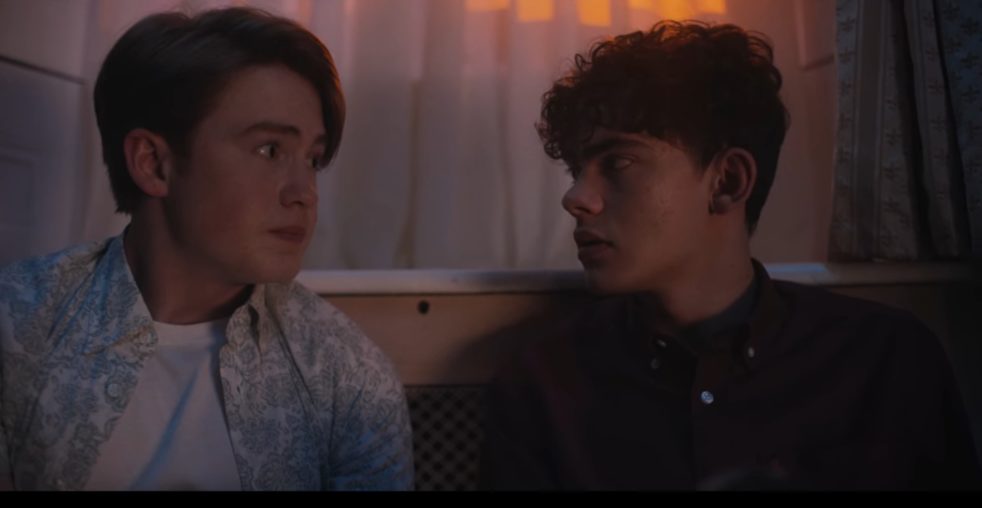
I had hoped to perhaps pitch this story somewhere, but as the time from Heartstopper's release on Netflix gets farther away, I expect the chances on that equally diminish. And thus, is my blog resurrected. I'm going to start talking about Heartstopper by talking about Beautiful Thing, because that's the best way I can think… Continue reading Time in a Bottle
Tumblr Salvage: “On Tingle”
Hey folks -- Tumblr is basically a disaster hellsite and most of my posts there are self-indulgent Sad Posts™ anyway. But there's a couple things I wrote these that I want to save, so they're getting reposted here. This was originally posted on Tumblr on August 25, 2016 -- almost four years ago. It is… Continue reading Tumblr Salvage: “On Tingle”
Sturm und Drang
Okay. I have a story to tell. My therapist had to move our appointment this week to today, so I had more time than usual afterwards. His office is right next to a movie theatre, so I saw Avengers Endgame, like I mentioned before. Now, I am not an MCU fan, overall. I haven't seen… Continue reading Sturm und Drang

Payment Past Due
Y'ever have one of those moments where it's late at night, and you're prepping for sleep by skimming articles and such you may have missed during the day? You read something and have a bad initial reaction, i.e. "Oh what the fuck?!" and maybe you make some upset tweets or FB/Tumblr posts about it but think… Continue reading Payment Past Due
Dick Joke
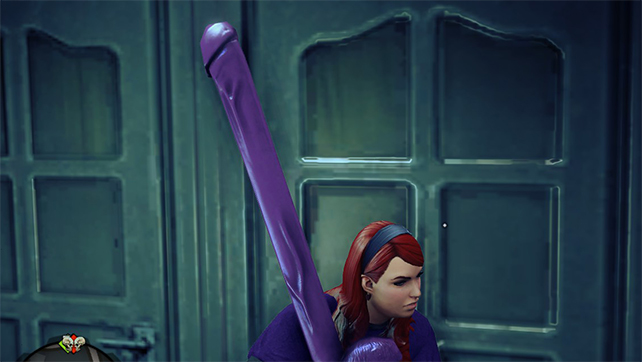
I got some thoughts, about some games journalism. And about dicks. This is your content warning: I'ma talk about dicks. I'ma try not to show dicks, but there might be some NSFW stuff in this post anyway. Hence my sticking the rest of this post about dicks behind the cut tag. Okay so. Let me start… Continue reading Dick Joke
Boys We Like
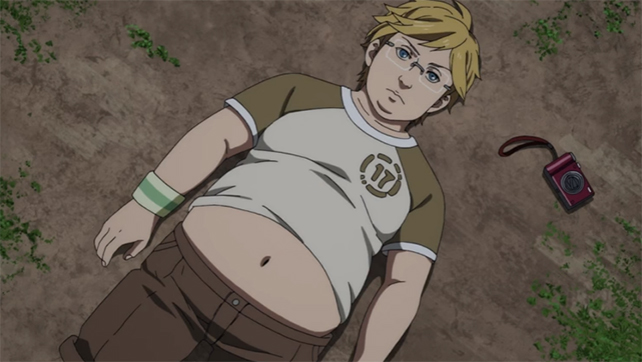
Recently, Polygon asked: "who is Final Fantasy 15's hottest boy?" Normally, this is the sort of content I am here for. As you may remember, some excellent friends and I did a panel on male sexualization in games and some of the problems surrounding it at Indiecade East. So an article about which dudes in an upcoming… Continue reading Boys We Like
Acceptance Speech
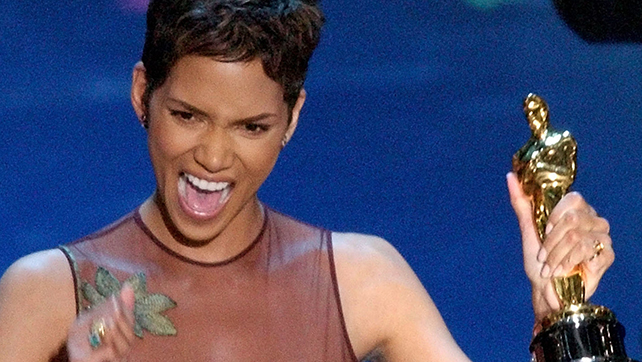
This is gonna be a short post, but it was a discussion I had with some friends last night and I feel like the points I was making to them were broadly applicable enough that I wanted to get them down in a slightly more coherent way than a couple tweets. There's a push lately,… Continue reading Acceptance Speech
Trapped
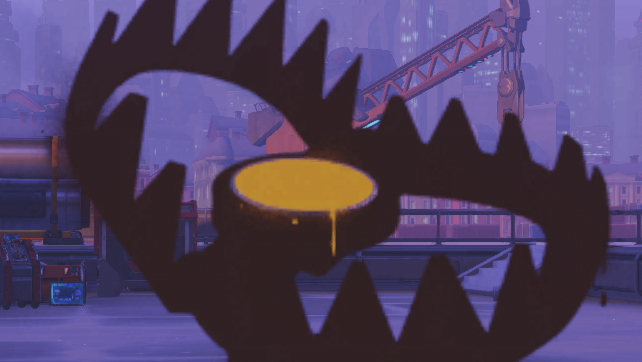
I feel kinda trapped when it comes to Overwatch’s Roadhog. As I have said about six million times, I find his design really upsetting in the sense that it’s lazy and reflects all the bad tropes of fat character design. But this week I found an entirely new way to be upset about Roadhog, since I was… Continue reading Trapped
Say Anything
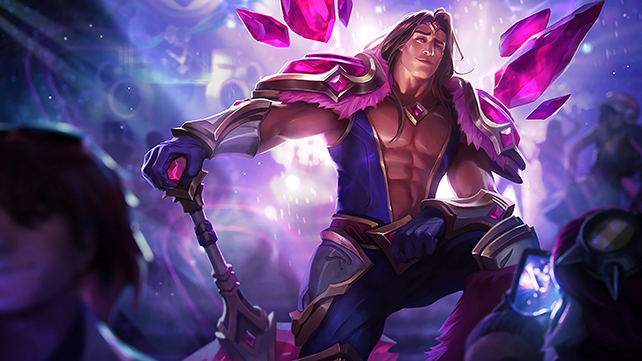
Remember a while back, a long while back, I wrote about a League of Legends champ named Taric and how I felt Riot should just make him gay already? A long time has passed since then (three years+, in fact). As I've written elsewhere, my feelings on Riot, on the situation itself, and on what I said back in… Continue reading Say Anything
Unsupported
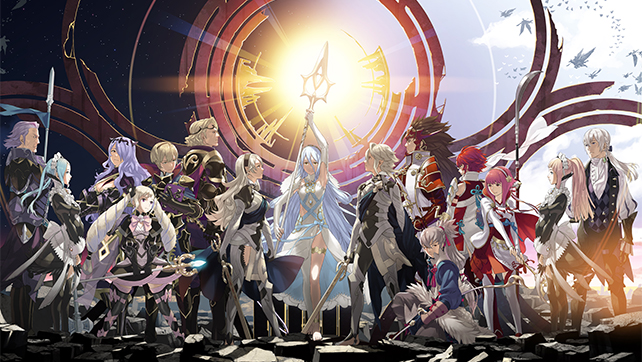
For a long while, while we were waiting for Fire Emblem Fates to get localized after its Japanese release, it was a topic that I felt like I'd do anything to avoid. The Soleil / Kamui support conversation issue felt like a minefield full of barbed wire and angry dogs. You could be gay (well, canonically/mechanically gay;… Continue reading Unsupported